
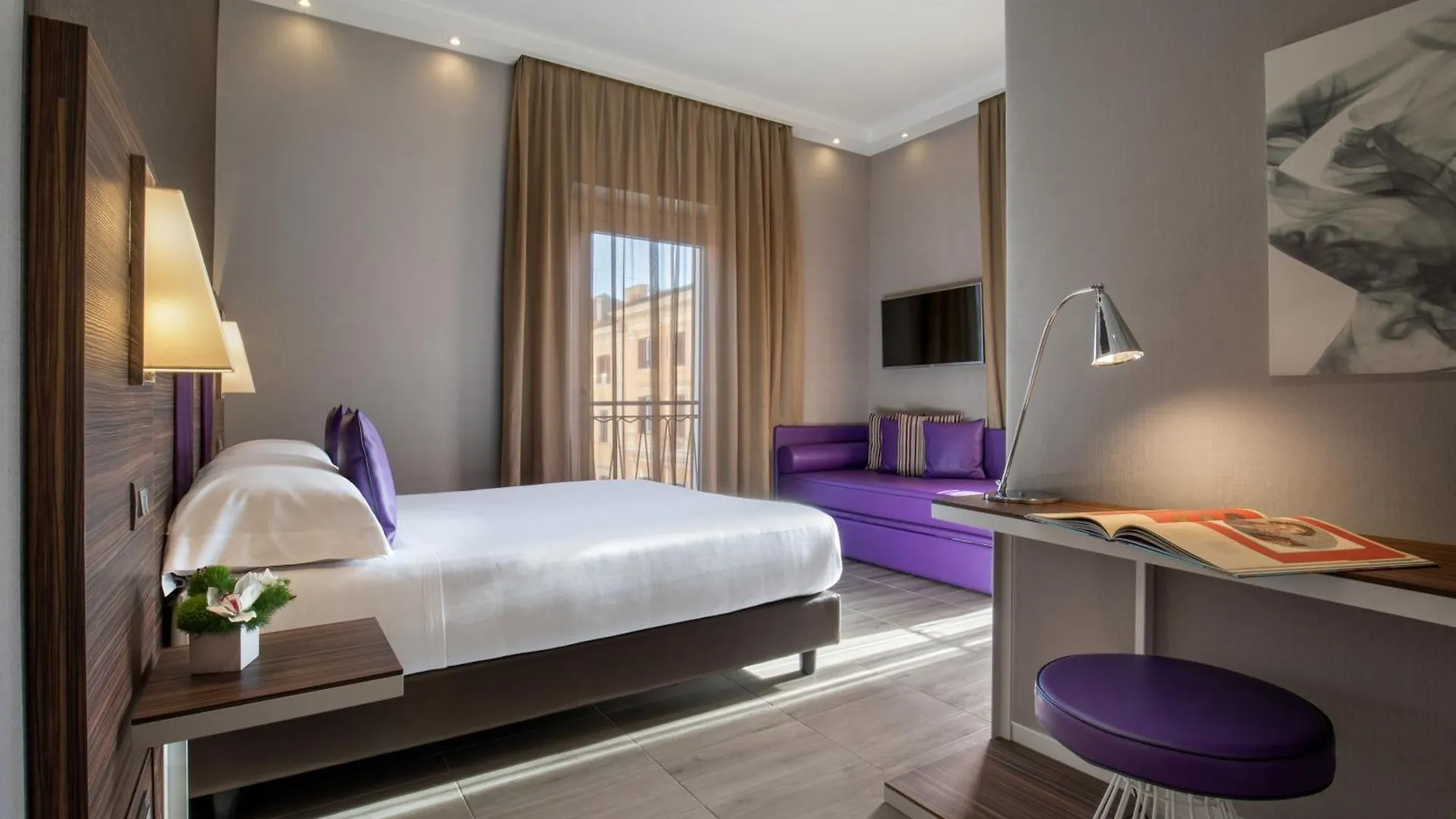
Rome's city centre concentrates an extraordinary density of monuments, transport links, and accommodation options within a compact area - making hotel selection a genuinely strategic decision. These five AG Hotels properties are positioned across key neighbourhoods, from the Termini corridor to the Spanish Steps district, each offering a distinct micro-location advantage. This guide breaks down what each property delivers, where it sits logistically, and how to choose the right one based on your actual travel priorities.
What It's Like Staying in Rome City Centre
Staying in Rome's city centre means you are rarely more than a 20-minute walk from a major landmark, but it also means navigating cobblestone streets packed with tourists from around 9am onwards. Metro lines A and B intersect at Termini, making the eastern part of the centre the most connected hub for reaching outlying areas like the Vatican or Trastevere without a taxi. The western section, around the Spanish Steps and Trevi Fountain, is denser with foot traffic but delivers unmatched walkability to Rome's most visited sites.
Noise levels after midnight are a real factor on streets like Via Nazionale and near Piazza della Repubblica, where bars and passing traffic continue well into the night - a detail most booking listings understate.
Pros:
- Walking access to the Colosseum, Pantheon, Trevi Fountain, and Piazza Navona without needing transport
- Direct Metro and rail connections from Termini for day trips to Florence, Naples, or the airport
- High concentration of restaurants, pharmacies, and services within a few blocks of most hotels
Cons:
- Street noise from traffic and tourism activity can affect sleep in rooms without soundproofing
- Hotel rates in the centre run significantly higher than equivalent properties in Prati or Testaccio
- Summer crowds between June and August make walking routes congested and queues at sites very long
Why Choose AG Hotels in Rome City Centre
AG Hotels operates a curated set of properties across Rome's historic centre, each positioned to offer design-conscious rooms and consistent service standards without the corporate uniformity of international chains. In this specific zone, that translates to boutique-scale buildings - often 19th-century structures - with modern interiors, rooftop terraces on select properties, and breakfast options that go beyond the standard continental spread. Room sizes in central Rome average smaller than comparable hotels in outer districts, but AG Hotels properties compensate with thoughtful layouts and higher-quality fixtures. Prices across the brand in this area typically start from around €120 per night in low season, rising sharply during spring and autumn when leisure travel peaks.
The brand's distribution across different micro-locations means you can choose between the transport convenience of the Termini corridor and the prestige positioning of the Spanish Steps area depending on your itinerary priorities.
Pros:
- Consistent quality standards across all five properties, reducing the risk of a mismatched booking
- Rooftop terraces available at select properties offering skyline views that standard centre hotels rarely provide
- Breakfast buffets include organic, gluten-free, and lactose-free options - a practical detail for travellers with dietary needs
Cons:
- Properties near Termini sit in a busier, less atmospheric streetscape compared to the historic core around the Pantheon
- Room sizes reflect historic building constraints and are not suited to travellers needing large working or living space
- Availability compresses quickly during high season, particularly for properties near the Spanish Steps and Trevi Fountain
Practical Booking & Area Strategy
The Termini-adjacent properties - those within around 500 metres of the station - offer the strongest transport value: direct Metro access to the Vatican (Line A) and Colosseum (Line B), plus regional rail to Fiumicino Airport in around 32 minutes. Via Nazionale is the main artery connecting Termini to the historic centre, and hotels on or near this street benefit from both walkability and bus connectivity. For the Spanish Steps cluster, position yourself within a 5-minute walk of Spagna Metro station to retain transport flexibility without sacrificing the atmosphere of Rome's most prestigious shopping and sightseeing district.
Book at least 8 weeks ahead for travel between March and May or September and October - these are Rome's peak leisure months when central hotel inventory across all categories tightens significantly. The Trevi Fountain and Piazza Barberini area, covered by The Glam's location on Via Nazionale, sits at a practical midpoint between Termini and the historic core, giving you walkable access to both zones. Night-time safety across all five hotel locations is generally reliable, though the blocks immediately around Termini station benefit from more attentive street awareness after 11pm.
Best Value Stays
These properties offer strong location credentials and solid facilities at the more accessible end of the AG Hotels pricing tier in Rome's centre - well-suited to travellers prioritising connectivity and comfort over premium positioning.
-
1. The Republic
Show on map


 Check-infrom 14:00 until 23:59Check-outuntil 11:00
Just a few rooms left at the best rate!
from€ 223
-
2. The Guardian
Show on map


 Check-infrom 14:00 until 23:59Check-outuntil 11:00
Just a few rooms left at the best rate!
from€ 140
-
3. The Glam Hotel
Show on map


 Check-infrom 14:00 until 23:59Check-outuntil 11:00
Hurry – almost gone at this price!
from€ 311
Best Premium Stays
These two properties occupy Rome's most prestigious micro-locations - near the Spanish Steps and adjacent to Termini's most design-forward streets - and deliver a noticeably elevated room and service experience within the AG Hotels portfolio.
-
4. The Independent Hotel
Show on map


 Check-infrom 14:00 until 23:59Check-outuntil 11:00
Hurry – almost gone at this price!
from€ 267
-
5. The Style Hotel
Show on map


 Check-infrom 14:00 until 23:59Check-outuntil 11:00
Rooms filling fast – secure the best rate!
from€ 66
Smart Travel & Timing Advice for Rome City Centre
Rome's city centre operates on a pronounced seasonal rhythm that directly affects both price and experience quality. April, May, September, and October are the most competitive months for central hotel availability - leisure travellers fill properties weeks in advance, and rates at AG Hotels locations can run around 40% higher than January or February equivalents. Summer (June through August) brings the largest crowds to the Trevi Fountain and Spanish Steps area, with queues forming at major sites before 9am; the Termini-area properties become logistically advantageous during this period due to faster access to early-morning transport.
A stay of 3 nights is the practical minimum to cover Rome's city centre without feeling rushed - the Colosseum, Vatican, and historic core each require a dedicated half-day at minimum. Booking 8 weeks ahead for spring and autumn travel is the most reliable strategy for securing preferred room types at The Style or The Independent, which sell out faster than the larger Termini-corridor properties. January and February offer the quietest streets and lowest rates, with most sites accessible without queuing - a genuine trade-off worth considering for travellers with scheduling flexibility.


